
Corporate Christmas Party Games for Every Team
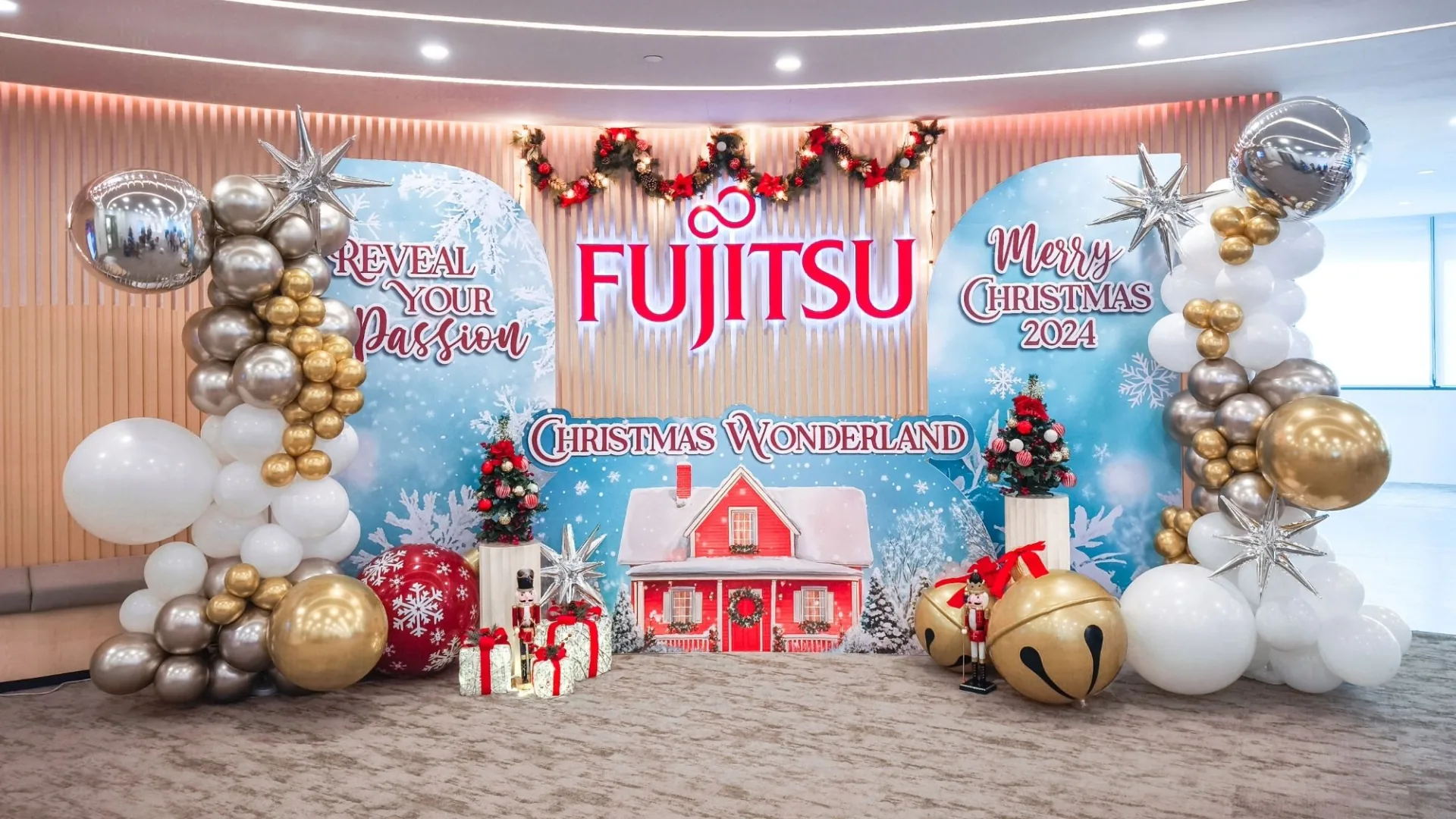
Christmas party games with simple rules, optional levels of participation and a clear connection to your office christmas celebration, so the experience remains inclusive for a diverse workplace.
Design participation for the whole workforce
A company Christmas party brings together people with different roles, ages, cultures, abilities and levels of confidence. The game should not assume everyone wants to perform, run across a room or share personal information. Create several ways to join: players can answer, discuss, vote, support a table representative or simply enjoy watching a well-hosted final round.
Explain why the activity belongs in the celebration. It might help colleagues appreciate one another, create new conversations or add a shared moment before the year closes. That purpose helps the host invite participation without pressure. Keep the rules short enough to display on one screen and make any physical requirement clear before asking for volunteers.
- Offer seated and active participation options
- Avoid games based on embarrassment or personal disclosure
- Use language and references the full workforce understands
- Make volunteering genuinely optional
- Give supporters and observers a role
Run a festive table quiz with varied rounds
A table quiz is easy to scale and allows colleagues to combine different strengths. Use short rounds that move between music, images, seasonal traditions, observation and light company content. A varied format keeps one expert from answering everything and encourages discussion. Include material from more than one cultural reference point so the celebration feels open rather than narrow.
Prepare clear answer sheets or a tested response system, show the question number and keep scoring visible. If company facts are included, use widely shared milestones rather than obscure dates known only to one team. Finish with a question that creates a strong reveal or audience response. The energy of the ending matters more than adding another long round.
- Recognise the festive song from a short introduction
- Match seasonal images with places or traditions
- Spot the detail in an event photograph
- Complete a company milestone sequence
- Predict the room's most popular answer
Turn gift exchange into a thoughtful activity
A gift exchange can support connection when the process is fair and the expectations are clear. Set an accessible gift guideline, explain whether items should be useful, sustainable, humorous or connected to a theme, and avoid formats that reward aggressive grabbing. For large groups, organise exchanges by table or team so the timing remains manageable.
Add a simple story or clue element. Guests might write a short appreciation note, match a recipient from positive clues or choose from gifts linked to different interests. Protect personal information and avoid asking employees to reveal sensitive preferences. The activity should make giving feel considered rather than turning the event into a competition over the most valuable item.
- Set one clear gift guideline and deadline
- Organise large groups into manageable circles
- Include an appreciation message
- Prepare spare gifts for absences or mistakes
- Plan collection so gifts do not block registration
Create a collaborative year-in-review challenge
A year-in-review game can recognise progress without becoming another presentation. Give tables a set of visual clues, headlines or milestones to place in sequence, then reveal the complete story on screen. Include people, community moments and small wins alongside formal business achievements so more employees can see their experience reflected.
Verify every fact and photograph before use. Keep confidential results out of the activity and obtain permission for employee images where needed. The host can invite brief reactions from the room, but should not turn the reveal into a long speech. The strongest ending links the shared year to a simple message of appreciation or anticipation for what comes next.
- Arrange milestone cards into a timeline
- Match photographs with the correct company moment
- Guess a positive statistic before the reveal
- Identify a colleague from an approved contribution clue
- Create a final message using collected answers
Use quick creative stations for an open-house format
When the party is not a seated dinner, short stations let guests choose how and when to participate. A message wall, ornament design, collaborative installation, photo prompt or wrapping challenge can create activity without a fixed start time. Each station should take only a few minutes and produce an outcome guests can understand immediately.
Place stations around food and conversation areas without creating crossed queues. Use facilitators where materials or instructions need support, and plan how completed work will be displayed or taken home. Avoid wasteful supplies and test whether the activity can survive a busy corporate setting. One well-produced station is more valuable than several unattended tables with unclear instructions.
- Collaborative festive artwork
- Appreciation message wall
- Personalised gift-tag station
- Short photo storytelling prompt
- Team contribution to a shared installation
Rehearse the host script, timing and ending
Games often run long because instructions, movement and scoring were not included in the plan. Time every step during rehearsal. The host should know the objective, exact rules, demonstration, music cue, winner process and final line that returns the room to the main programme. Prepare all prizes and materials in the order they will be used.
Create a short version by removing an entire round, not by rushing every participant. Agree who can make that decision on the event day. If technology fails, move to a prepared physical response method. Guests should experience a confident, complete activity even when the event team adjusts behind the scenes. End while the room is engaged and let the next programme moment begin cleanly.
- Test every instruction with someone new to the game
- Include movement and scoring in the duration
- Prepare materials in event order
- Mark the optional round that can be removed
- Confirm prize handover and the next stage cue
Planning your company event?
Tell us your date, headcount and what the event needs to achieve. We can plan an event around your people and your brand.
Plan your event