
Corporate Dinner & Dance Run Sheet for a Smooth Programme
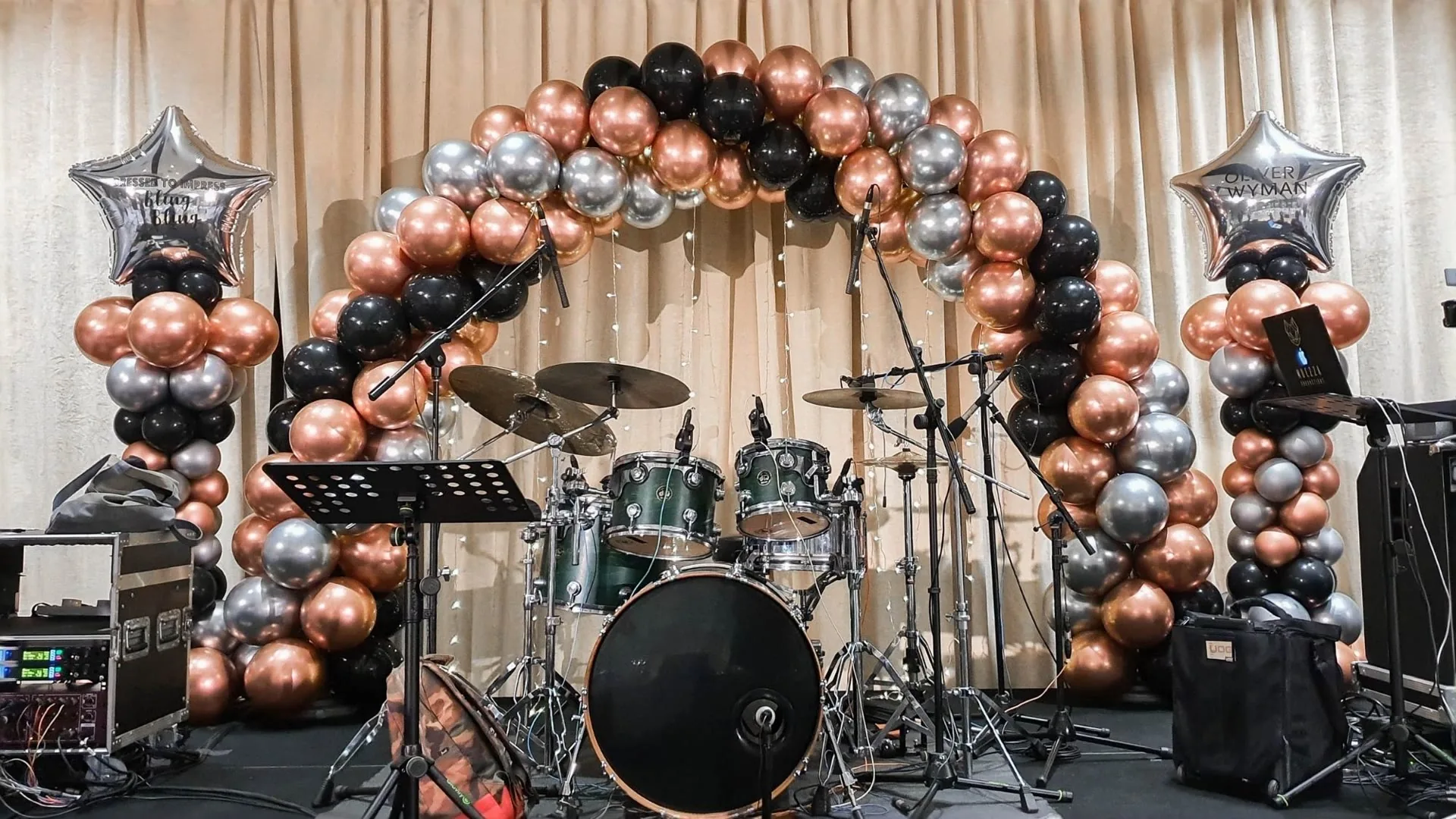
Build the evening around guest arrival, meal service, recognition and entertainment, with enough breathing room for every important moment to land without making the programme feel slow.
Start with the purpose, not a list of activities
A strong dinner and dance run sheet begins with one clear decision: what should guests feel by the end of the night? Some companies need recognition to take centre stage. Others want colleagues from different teams to relax together, or want a year-end celebration that restores energy after a demanding season. This purpose determines which moments deserve time and which items can be shortened, combined or removed.
Write the programme in blocks before adding precise timings. A useful first pass is arrival, welcome, first meal service, company message, engagement, recognition, headline entertainment and closing. This makes the event easier to understand as a guest journey. It also prevents a common problem where too many speeches, games and performances compete for attention while dinner service waits in the background.
- Name one primary outcome for the event
- Identify the two moments guests must remember
- Separate essential programme items from optional additions
- Confirm who can approve changes on the event day
Block out the three segments every dinner and dance needs
Before any timings are written, three elements should already have a place on the run sheet. The theme of the night, the stage games that carry the room, and the fringe activities and table games that keep guests occupied when the stage is quiet. Placing these first prevents the common problem of a programme that overruns because a lucky draw was added late.
The stage segments are usually a thematic best dressed and a lucky draw. Best dressed works early, while guests are still arriving and comparing outfits. The lucky draw belongs near the end, because it is the most dependable reason for guests to stay through the closing items. Table games and fringe activities sit in the gaps: arrival, the pause between courses, and any changeover that needs covering.
- Theme of the night: confirmed before styling, invitations and host script are written
- Thematic best dressed: an early stage segment, while the room is still filling
- Lucky draw: a late stage segment, so guests stay to the close
- Table games: run during dining without interrupting service
- Fringe activities: cover arrival and any technical changeover
Protect arrival time and the opening fifteen minutes
Guest arrival is part of the programme, even before anyone steps on stage. Registration, table finding, photo moments and informal conversation all need time. If the official opening begins while a large part of the room is still queueing, the host immediately has to fight for attention. Plan a realistic arrival window and give early guests something natural to do without forcing a formal activity.
The opening should be confident and concise. The emcee welcomes the room, gives essential information and introduces the reason for gathering. A short visual, energetic cue or leadership welcome can follow, but each element should move the room forward. Keep operational announcements together so they do not interrupt later emotional moments. Once the event has opened, guests should understand the tone and what is coming next.
- Allow for registration and lift congestion at the venue
- Place photography where it will not block the entrance
- Give the emcee accurate names and pronunciation notes
- Keep safety, dietary and venue notices short and clear
Plan the programme around meal service
Dinner and programme cannot be planned as separate schedules. The banquet team needs uninterrupted windows to serve, clear and reset each course. Guests also need time to eat without being asked to watch a video, move tables or participate in a game. Ask the venue for its service rhythm, then place short transitions between courses instead of scheduling the most important award or speech while plates are moving.
If the evening uses buffet service, account for table release and queue flow. If it uses a plated menu, confirm whether all tables are served together or in waves. The run sheet should show service cues alongside stage cues so the show caller, emcee and banquet captain work from the same plan. A five-minute timing shift is manageable when everyone knows what can move and what must remain protected.
- Mark course service and clearing windows in the master schedule
- Avoid major speeches while guests are eating
- Create a flexible segment that can absorb small delays
- Agree a signal between the show caller and banquet captain
Give awards and leadership messages room to matter
Recognition works best when it feels specific and paced. Group awards into logical chapters, prepare the correct walk-up music and keep recipient movement simple. If every award uses a long introduction, stage walk, photo and exit, the total time grows quickly. Rehearse the physical route and decide whether recipients return to their seats, remain on stage for a group photo or exit from the opposite side.
Leadership messages should have a clear role in the evening. A welcome can set context, while a later message may focus on appreciation or the year ahead. Avoid placing several similar speeches next to one another. Brief every speaker on the audience, desired length and final cue. A concise, human message supported by good lighting and an attentive room will have more impact than a longer presentation competing with service noise.
- Group awards by purpose or team
- Confirm names, titles and pronunciation before the event
- Use a visible stage manager cue for every recipient
- Set a clear speaking duration for each leader
Use entertainment to reset the room's energy
Entertainment should change the pace, not simply fill a gap. An opening performance can create anticipation, a participatory segment can reconnect tables after dinner, and a headline act can lift the room before the closing celebration. Place each act according to the energy you need at that point. Technical setup, performer access and stage reset time must be included in the schedule rather than hidden between lines.
Games need the same discipline. Explain the objective quickly, demonstrate what guests must do and end while the response is still strong. Not every person has to take part in every segment; a well-designed activity can include players, table supporters and a lively host. Consider the company culture and accessibility so participation feels inviting rather than embarrassing or physically difficult for part of the audience.
- Match each act to a specific energy shift
- Include setup, soundcheck and reset time
- Keep game instructions visible and easy to follow
- Prepare a shorter version if the programme is running late
Build one master run sheet and rehearse the handovers
The final run sheet should show clock time, duration, on-stage action, screen content, audio cue, lighting cue, responsible person and a clear go signal. Keep one version under change control. When multiple suppliers work from different drafts, even a small wording change can send the wrong video to screen or bring a speaker on before the microphone is ready. Share a final issue time and record late amendments visibly.
A technical rehearsal does not need every guest or performer present, but it should test the transitions that carry the most risk. Walk through the opening, speaker handovers, awards route, entertainment changeovers and closing. Decide in advance who can shorten an item if time slips. The goal is not a programme that follows every second rigidly. It is a coordinated team that can protect the guest experience when the real evening moves.
- Use one numbered master version
- Assign a named owner to every cue
- Rehearse entrances, exits and technical transitions
- Mark which segments may be shortened and by whom
- End with transport, last-order and venue handback timings
Planning your company event?
Tell us your date, headcount and what the event needs to achieve. We can plan an event around your people and your brand.
Plan your event