
Corporate Family Day Planning Checklist: Brief to Event Day
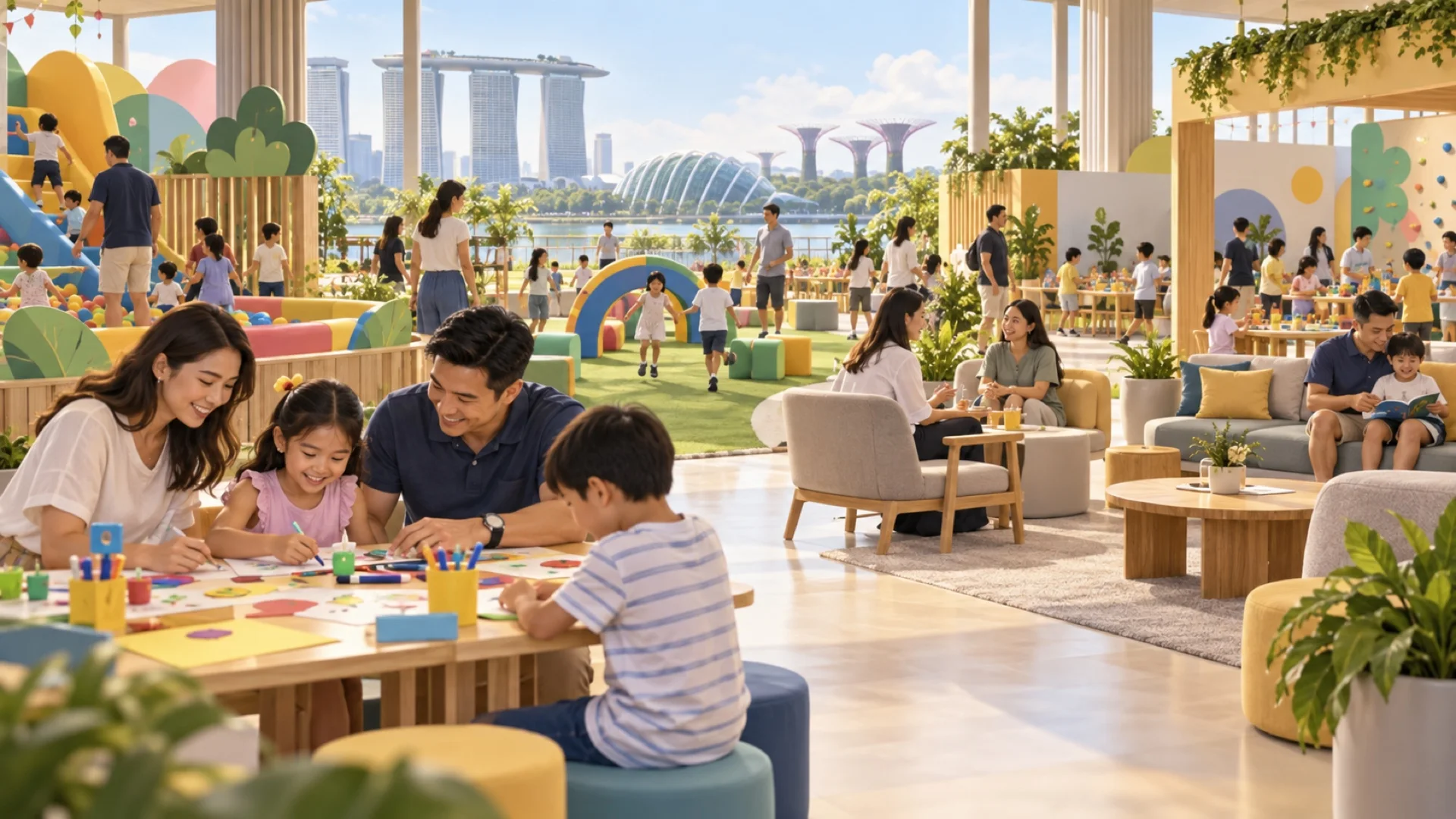
Use this corporate family day checklist to plan attendance, age-appropriate zones, food, access, contingencies and clear event-day ownership.
Set the purpose and estimate the real attendee mix
A company family day may be a thank-you to employees, a chance for families to meet colleagues or an informal celebration of a company milestone. Agree the purpose first so the event does not become a collection of unrelated stalls. Then estimate adults, children and any other invited family members separately. An employee headcount alone is not enough for space, catering or activity planning.
Ask the company to define who may attend, whether registration is required and what information must be collected in advance. Keep personal data requests proportionate. Note the likely age bands of children so entertainment and amenities suit the audience without assuming that every family has the same needs.
Choose venue and timing around family logistics
Compare venues by usable space, shelter, toilets, access, transport, stroller movement and places to sit. A location may look spacious but have narrow routes between attractions. Consider arrival windows, mealtimes and how long younger children can comfortably stay. Confirm setup and strike access separately from guest hours.
For an outdoor Singapore event, the wet-weather plan is part of venue selection. Ask what can move under cover, where guests will wait and who makes the weather decision. If the indoor fallback is too small for the same crowd, the programme or attendance plan needs to change.
Create age-appropriate zones and entertainment
Map activities by who they serve rather than putting everything in one carnival row. Younger children may need close adult supervision and short turns; older children may enjoy a hosted challenge; adults need places to connect beyond watching a queue. A mix of active, creative and calmer options helps families choose their own route.
Every zone needs stated capacity, an operator and a safe surrounding area. Ask vendors what age guidance, materials and supervision they provide. Place popular activities apart so their queues do not collide, and show clearly when a parent or guardian needs to remain with a child.
- Younger-child zone with adult supervision
- Activities for older children and mixed ages
- Adult seating and conversation space
- Clear queue and waiting areas
Plan food, amenities and access as part of the experience
Food service should fit the event schedule and the family mix. Provide visible information on dietary options and allergens, and consider how families carry food while supervising children. Drinking water, toilets, baby-changing facilities where needed, shade or shelter and comfortable seating are not secondary details.
Check step-free routes, stroller access, accessible toilets and the distance between main areas. Give guests a simple pre-event note covering travel, parking or public transport, what to bring and whom to contact on the day. Avoid a programme that requires families to cross the entire venue repeatedly.
Write a weather and incident plan before event day
Identify which attractions stop in rain or high wind, what can continue indoors and how guests will hear a change. Agree the venue's emergency procedure, first-aid provision and vendor responsibilities. The event lead should know who can pause an activity, make a public announcement and coordinate with venue staff.
Check cables, temporary structures and food or activity equipment with the responsible suppliers. A simple contact sheet and decision tree are more useful on the day than a long document nobody can find. Brief vendors on the family audience and the spaces they must keep clear.
Create one run sheet for staff, venue and vendors
The run sheet should cover delivery, installation, checks, staff briefing, guest arrival, activity start times, food service, any stage moments and pack-down. Name an owner for each handover. Allow realistic buffers for queues, toilet breaks and children moving at different speeds.
Give the venue and vendors the same final version, then hold a short on-site briefing before opening. Verify entrances, station readiness, signage, food information and the weather branch. During the event, one coordinator should watch the overall flow while zone leads handle local questions.
Close the loop after the event
Thank staff and families, share approved photographs only under the company's consent rules and ask for brief feedback on access, activities, food and timing. Collect operational notes from vendors and hosts while they are fresh. This helps the next family day improve without making unsupported claims about morale or retention.
For the full event service, see Happier's company family day page. Use this checklist to assemble the first brief and agree what the organiser, venue and internal team will each own.
Planning your company event?
Tell us your date, headcount and what the event needs to achieve. We can plan an event around your people and your brand.
Plan your event