
Employee Appreciation Ideas for Year-end Events
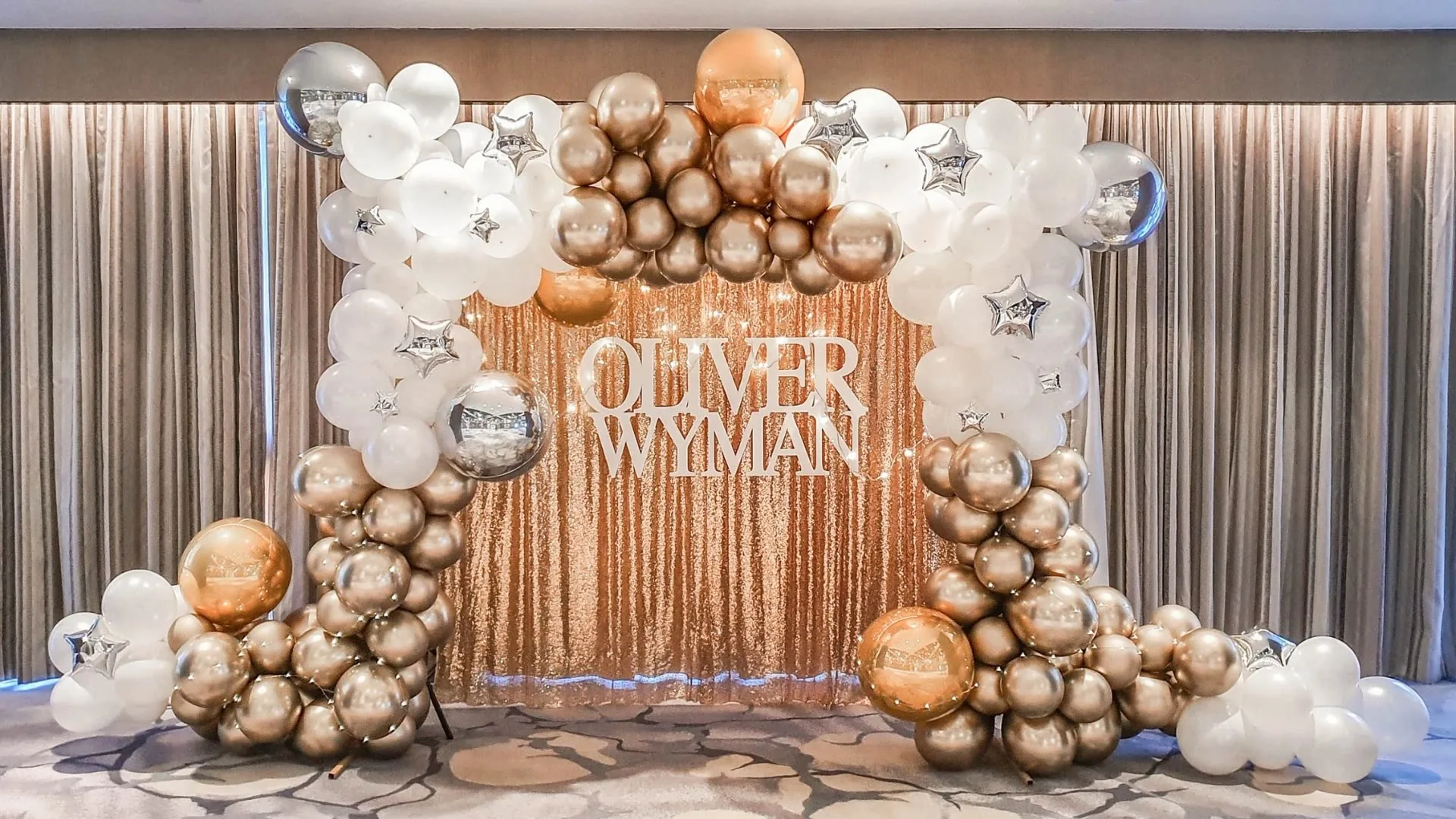
Make appreciation visible through specific stories, thoughtful participation and well-designed recognition moments, so a year-end event feels meaningful rather than like a generic company announcement.
Define what appreciation should communicate
Employee appreciation is most credible when it names what people contributed and why it mattered. Before choosing awards or gifts, decide what the organisation wants to recognise: sustained effort, collaboration, care for customers, learning, leadership, community contribution or resilience through change. This gives the event a clear emotional centre and prevents recognition from feeling like a collection of unrelated prizes. This is especially important when a corporate festive party is also the main employee-appreciation moment.
Ask different teams what the year required from them. Include work that is essential but not always visible, and recognise collective achievements alongside individual performance. The event does not need to describe every contribution on stage. It should, however, show that the company has listened carefully enough to represent the workforce with accuracy and respect.
- Name the behaviours and contributions being appreciated
- Include visible and behind-the-scenes work
- Balance team and individual recognition
- Use specific examples instead of broad praise
- Confirm sensitive stories with the people involved
Build the event around real employee stories
Short, well-produced stories can make appreciation tangible. Invite employees to share a moment when a colleague helped them, a project the team is proud of or a lesson that changed how they work. The material can become a concise film, a series of stage introductions, a gallery or a host-led chapter in the programme. Give contributors clear prompts so responses remain focused.
Participation should be voluntary, and employees should know how their words or images will be used. Edit with care and verify names, roles and details before the event. Avoid turning personal hardship into entertainment. The strongest stories show contribution and connection while letting the people involved retain control over how they are represented.
- Colleague-to-colleague appreciation messages
- Team achievement told through several voices
- A customer or community impact story
- A visual year-in-review gallery
- Short leadership responses to employee contributions
Design recognition that feels fair and human
Formal awards can work well when the criteria are understandable and nominations are handled consistently. Explain what each category recognises, who can nominate and how decisions are made. Limit the number of categories so each one retains meaning. If many people deserve acknowledgement, consider team recognition, milestone chapters or a broader appreciation format rather than creating dozens of near-identical awards.
On stage, use accurate pronunciation, a concise reason for the recognition and a clear route for recipients. Allow enough time for the person to arrive, receive the award and be photographed without rushing, but avoid long biographies that slow the whole evening. A prepared stage manager and thoughtful script communicate respect as much as the physical award does.
- Publish understandable award criteria
- Use a consistent nomination and review process
- Prepare one specific citation for each recipient
- Confirm names and pronunciation
- Create an accessible stage and photograph route
Give every guest a way to express appreciation
Appreciation becomes more powerful when it does not flow only from the stage. A message wall, table prompt, digital note collection or paired conversation can give colleagues a simple way to recognise one another. Keep the action short and explain what will happen to the messages after the event. People are more likely to contribute when the result feels purposeful.
Protect privacy and moderate public displays. Do not require employees to share personal feelings or nominate a single favourite colleague. Prompts such as 'a contribution that helped our team this year' create more room than popularity-based questions. Consider providing both named and private ways to participate so different personalities can join comfortably.
- Written colleague appreciation cards
- Table conversation prompt with an optional share-back
- Curated digital message collection
- Team contribution wall organised by project or value
- Take-home note delivered after the event
Connect gifts and experiences to genuine care
A gift is most useful when it reflects how employees actually work and live. Consider choice, accessibility and practical value rather than assuming one item suits everyone. A flexible experience, curated selection or thoughtful workplace benefit may communicate more care than a heavily branded object. If gifts are distributed at the event, plan secure storage and an easy collection process.
Experiences can also carry appreciation. A relaxed meal, creative activity, entertainment feature or wellness moment gives colleagues time together without asking them to produce work. Make attendance expectations clear and choose a date and format that do not create extra pressure. Appreciation loses meaning if employees must manage difficult transport, hidden costs or a compulsory activity outside their comfort level.
- Offer meaningful choice where practical
- Consider dietary, cultural and accessibility needs
- Avoid creating work around gift collection
- Communicate whether attendance is optional
- Choose activities that respect different comfort levels
End with a credible look toward the next year
A year-end event can close the current chapter without becoming a strategy presentation. After recognition, a concise leadership message can connect what employees achieved with the organisation's direction. Keep it grounded in what the workforce has already heard during the event. A promise to support the next chapter should feel consistent with the appreciation expressed throughout the evening.
The final programme moment should leave time for connection rather than ending immediately after a speech. A shared toast, music transition, final visual or collective photograph can create closure and open the social part of the event. Follow up afterwards with approved photographs, messages or recognition notes so appreciation continues beyond the room and employees who could not attend are not forgotten.
- Keep the closing message concise and specific
- Connect future direction to recognised contributions
- Create one shared closing moment
- Allow informal time after the formal programme
- Plan inclusive follow-up communication
Planning your company event?
Tell us your date, headcount and what the event needs to achieve. We can plan an event around your people and your brand.
Plan your event