
How to Plan a Last-minute Corporate Year-end Party
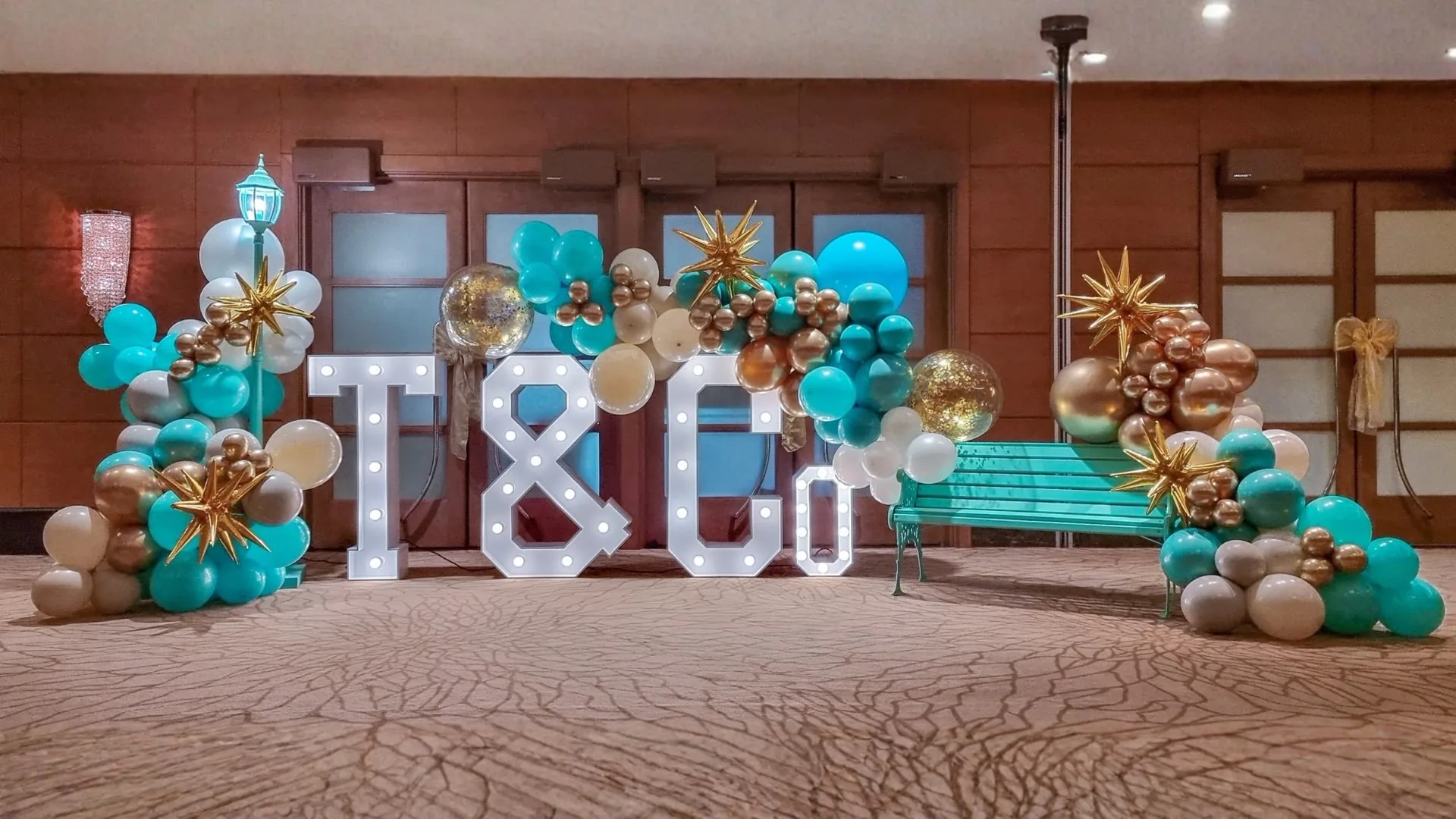
Prioritise date, guest experience and operational certainty, then use a focused concept and fast approval process to create a polished year-end event within a compressed planning window.
Fix the decision structure on the first day
A short timeline becomes difficult when every decision waits for a large group. Name one client lead, one final approver and the people who must review finance, venue terms, communications or safety. Agree response times and which choices the event team can make within the approved direction. This protects speed without removing accountability. A clear brief also gives the corporate event planning team enough direction to move quickly.
Write a concise brief containing the date range, guest estimate, event purpose, preferred format, essential programme moments, accessibility needs and budget framework. Mark what is fixed and what can change. The team can then search for workable combinations instead of spending days comparing ideas that are unavailable or unsuitable. A clear brief is the most important time-saving tool.
- One working lead and one final approver
- Agreed response deadline for urgent decisions
- Confirmed guest estimate and date options
- Three non-negotiable experience requirements
- Clear authority for practical substitutions
Secure the date and workable venue first
Venue availability usually determines the rest of a last-minute plan. Search using a flexible range of dates, times and formats. A weekday lunch, afternoon celebration, office transformation or non-traditional event space may offer better options than competing for one peak evening. Compare complete operational fit, not only whether the room is technically open.
Confirm capacity, food service, production access, equipment, accessibility and closing time before placing a deposit. Ask for all terms in writing and identify the deadline for final numbers. A venue with existing furniture, lighting and reliable catering can reduce setup risk. However, it still needs to support the event's purpose and guest journey rather than becoming the choice simply because it replied first.
- Offer more than one acceptable date or time
- Consider lunch, afternoon and office-based formats
- Confirm setup access before booking
- Check included equipment and service
- Record final-number and cancellation deadlines
Choose a focused concept with available elements
A polished event does not require custom fabrication in every corner. Choose a concept that can be expressed through colour, lighting, table details, graphics and one focal installation using materials that are genuinely available. Protect the arrival, main room reveal and stage or gathering point. These moments create the strongest impression and appear most often in photographs.
Avoid building the theme around a rare prop or performer before availability is confirmed. Ask suppliers to present a primary recommendation and an approved substitute, both within the same creative direction. Fast decisions are easier when alternatives have already been considered. Consistency across fewer strong elements will look more intentional than a large collection of rushed, unrelated decorations.
- One clear palette and creative statement
- Arrival, stage and table as priority areas
- Available materials confirmed before approval
- Pre-approved substitute for critical elements
- Simple screen graphics that unify the room
Keep the programme concise and easy to rehearse
A short planning period is not the moment for a programme with many complex handovers. Build around welcome, appreciation, one strong engagement or entertainment moment, food and a clear closing. Combine related announcements and limit the number of speakers. Every additional stage item creates scripts, assets, rehearsals and technical cues that require approval.
Select entertainment that can work within the confirmed stage, sound and rehearsal conditions. Use an experienced host who can understand the company quickly and manage small timing changes. Prepare one master run sheet with named owners. Even for a simple event, rehearse the opening, leadership handover, key media, feature segment and ending so guests never feel the compressed preparation behind the scenes.
- One welcome and one appreciation chapter
- One main interaction or performance
- Protected food and conversation time
- Minimal media with final files controlled centrally
- Rehearsal focused on the highest-risk transitions
Send guest communication in useful stages
Guests need the date before the complete creative package is ready. Send a clear save-the-date with timing, location area and response deadline, then follow with final access, dress and programme information. Do not delay the first message while waiting for decorative details. Use one source of truth for attendance and dietary requirements so the team is not reconciling several lists.
Make response instructions easy on mobile and collect only information the event actually needs. Confirm how data will be used and who can access it. Schedule a final reminder with transport, arrival point, contact and any items guests should bring. Good communication makes a short planning window feel controlled because employees always know what action is required next.
- Immediate save-the-date with response deadline
- Single attendance and dietary form
- Final event guide with access and dress details
- Mobile-friendly contact route for questions
- Reminder timed before venue-number cut-off
Use a daily control list through event day
Track decisions, owner, deadline, status and impact in one live control list. Separate items that block the event from enhancements that can be removed. Review venue, guest count, food, programme, production, styling, staffing, safety and communication every day until the main risks are closed. This stops an attractive creative detail from hiding an unresolved operational issue.
On event day, the team should have a final contact sheet, floor plan, run sheet, guest process, supplier schedule and contingency notes. Confirm who can approve a substitution or programme change. The aim is not to pretend there was unlimited preparation time. It is to focus effort on the details guests experience and create calm, coordinated delivery from arrival through departure.
- One live control list with named owners
- Daily review of blockers and deadlines
- Final supplier and client contact sheet
- Approved floor plan and run sheet
- Weather, absence and technical fallback decisions
Planning your company event?
Tell us your date, headcount and what the event needs to achieve. We can plan an event around your people and your brand.
Plan your event